



Jaw Clicking When You Open Your Mouth? It Could Be a TMJ Disorder
September 1, 2026A jaw that suddenly clicks every time you open your mouth can be distracting, especially when the sound is new. Some joint noises occur without a problem, while others appear with soreness, stiffness, locking, or difficulty chewing.
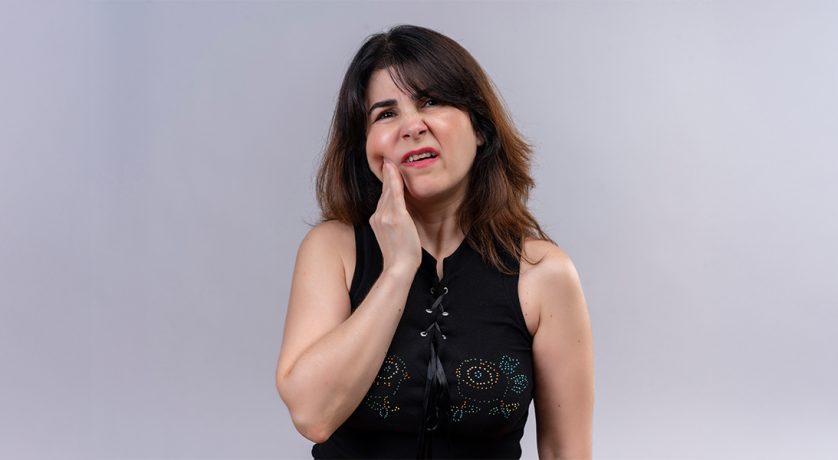
For people considering TMJ treatment in Norco, CA, the important question is not simply whether the jaw makes a sound. The dentist needs to understand whether pain, restricted movement, muscle tension, or another dental condition is present.
Why Does Your Jaw Click When You Open Your Mouth?
Jaw clicking can develop when movement within the jaw joint changes. The sound may involve the small cushioning disc inside the joint, the surrounding structures, or the way the jaw moves during opening and closing.
Understanding the Temporomandibular Joint (TMJ)
The jaw joints, or temporomandibular joints, sit in front of the ears where the lower jaw meets the skull. Their combined movements help with speaking, chewing, swallowing, and opening the mouth.
A small disc cushions each joint. Changes in disc movement or joint mechanics can sometimes produce jaw popping, clicking, or a rough sensation.
Is Jaw Clicking Always a Sign of TMJ Disorder?
No. A painless click by itself does not confirm a TMJ disorder.
The National Institute of Dental and Craniofacial Research states that painless clicking or popping in the TMJ is common and generally does not require treatment. Concern increases when joint sounds occur with pain, locking, stiffness, or limited movement.
What Causes/Symptoms of Clicking or Popping Jaw?
A temporomandibular joint disorder can involve the joint, chewing muscles, disc, or several structures at the same time. There is not always one identifiable cause.
Possible TMJ symptoms include:
- Pain or tenderness around the jaw
- Painful clicking or popping
- Jaw stiffness
- Limited opening
- Locking when opening or closing
- Difficulty or discomfort while chewing
- Facial soreness or headaches
Mayo Clinic also lists jaw tenderness, chewing difficulty, locking, headaches, and painful joint sounds among recognized symptoms.
Teeth Grinding and Jaw Clenching
Grinding or clenching can strain the jaw muscles and may cause morning soreness, facial fatigue, headaches, or worn teeth. A mouth guard may help when bruxism is present, although NIDCR notes that evidence for reducing TMD pain is limited and appliances should not permanently alter the bite.
Jaw Injury or Trauma
A sports injury, fall, accident, or blow to the face can irritate the joint or nearby tissues. New jaw pain when opening the mouth after an injury should be assessed, particularly when movement becomes restricted.
A sudden change in the bite, significant swelling, or difficulty closing the mouth also deserves prompt attention.
Arthritis and Joint Changes
Arthritis can affect the temporomandibular joint just as it can affect other joints. Changes within the joint may produce soreness, stiffness, reduced movement, or a grating sensation.
Mayo Clinic identifies arthritis and jaw injury among factors associated with painful TMJ disorders.
Difficulty Opening or Closing Your Mouth
Occasional painless clicking differs from a jaw that repeatedly locks or becomes difficult to move. Restricted opening can interfere with eating, brushing, speaking, and yawning.
Avoid repeatedly forcing a locked or painful jaw farther open. Persistent limitation should be professionally assessed.
Bite and Jaw Alignment Issues
A dentist may examine how the upper and lower teeth meet as part of the overall assessment. However, current evidence does not support bite misalignment as a strong general cause of TMD.
For this reason, clicking jaw causes should not automatically be attributed to tooth alignment. Jaw movement, muscle tenderness, grinding habits, previous trauma, and the overall symptom pattern provide additional information.
How Is a TMJ Disorder Diagnosed?
No single test confirms every TMD. Diagnosis usually begins by understanding where the discomfort occurs, when it started, and which movements make it better or worse.
Comprehensive Dental and TMJ Evaluation
During a TMJ evaluation in Norco, California, the dentist may ask whether the clicking hurts, whether the jaw locks, and whether chewing changes the symptoms. The dentist may also examine jaw movement and areas of muscle or joint tenderness.
This helps separate a painless joint sound from symptoms that interfere with normal function. It can also reveal whether another oral problem needs attention.
Bite and Tooth Evaluation
The teeth may be checked for cracks, sensitivity, wear patterns, or signs of grinding. These findings can help distinguish jaw joint pain from discomfort caused by a tooth.
A dentist evaluating TMJ may also record how the teeth meet as part of the examination, without assuming the bite caused the disorder.
Digital Imaging When Needed
Imaging is not necessary for every case of jaw clicking. When the examination raises additional concerns, diagnostic images may help evaluate the teeth, jawbone, or joint structures.
Mayo Clinic notes that dental X-rays, CT scans, or MRI may be considered depending on what needs to be examined.
Tran’s Dental currently lists TMJ treatment and digital diagnostic technology among its services. Its TMJ page describes examination of jaw movement, bite relationships, and muscle tension as part of the clinical assessment.
When Should You See a Dentist for Jaw Clicking?
An occasional painless sound without restricted movement often needs only observation. An appointment becomes more important when the clicking is painful, persistent, or accompanied by a change in normal jaw function.
Seek professional care for:
- Persistent or worsening pain
- Repeated locking
- Difficulty opening or closing the mouth
- Pain during chewing
- Ongoing facial or muscle tenderness
- Symptoms after an injury
- A sudden change in how the teeth meet
- Swelling or fever
A TMJ dentist can examine the joint and rule out dental conditions that may cause similar pain. Cracked teeth, infection, or other oral problems can sometimes be felt in the same general area.
For someone looking for a dentist in Norco for jaw pain, diagnosis should come before a specific treatment recommendation. Current NIDCR guidance favors conservative, reversible approaches first and cautions against procedures that permanently change the teeth, bite, or joint solely to manage TMD.
Final Thoughts
Jaw clicking alone does not always require treatment. Pain, locking, limited opening, tenderness, or difficulty chewing are more useful signs that the jaw should be examined.
At Tran’s Dental, Dr. Quynh Tran evaluates jaw movement, muscle tension, and related dental findings before recommending care. If discomfort continues or begins to disrupt normal activities, an assessment can help identify contributing factors and whether TMJ treatment is a reasonable option.
Early assessment is especially useful when pain is worsening, the jaw repeatedly locks, or normal movement becomes difficult.
FAQ’s
Why does my tooth only hurt when I chew?
No. Painless clicking without limited movement is common and generally does not require treatment. Pain, locking, or difficulty opening the mouth makes an assessment more important.
How do I stop my jaw from clicking?
Management depends on why the sound is occurring and whether other symptoms are present. Avoid repeatedly forcing the joint to pop, and have persistent painful clicking examined.
Can teeth grinding cause a clicking jaw?
Grinding and clenching can strain the chewing muscles and may occur alongside TMD symptoms. Worn teeth or sore jaw muscles can provide additional clues that bruxism is involved.
Can TMJ disorder cause jaw pain and headaches?
Yes. TMD can occur with jaw tenderness, facial discomfort, and headaches. Because headaches have many possible causes, persistent symptoms should not automatically be attributed to the jaw joint.
Should I see a dentist for a clicking jaw?
Consider an evaluation if clicking is painful, the jaw locks, opening becomes restricted, or symptoms interfere with eating or speaking. Painless sounds without movement problems often do not require treatment.