



Tooth Pain While Biting: Signs of a Hidden Dental Problem
July 1, 2026You take one bite of your favorite meal, and suddenly, a sharp pain shoots through a tooth that seemed perfectly fine moments earlier. You stop chewing, wait a few seconds, and the discomfort fades. Was it just bad luck, or is your tooth trying to tell you something?
Tooth pain that appears only while chewing often points to an underlying issue that shouldn't be ignored. Seeking general dentistry in Norco, CA, early can help identify the cause before it develops into a more complex problem. Getting an early diagnosis gives your dentist a better opportunity to treat the problem before it becomes more serious.
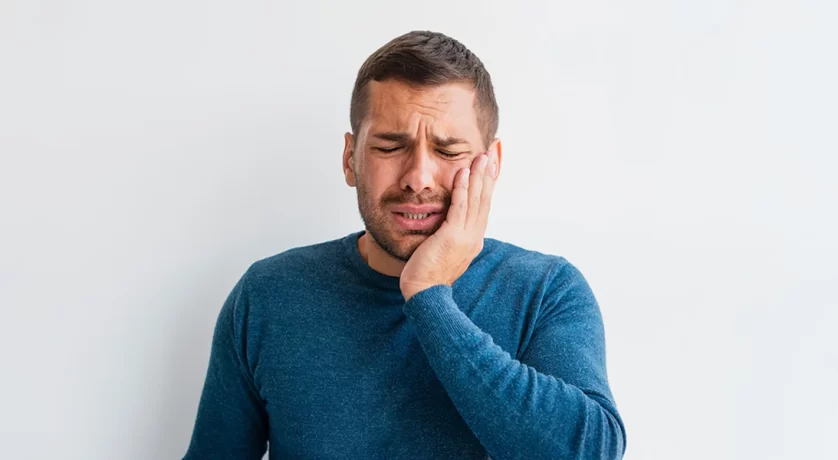
Why Does Your Tooth Hurt When You Bite Down?
A healthy tooth should comfortably handle the pressure of chewing. If biting causes discomfort, the pain usually signals irritation involving the tooth, surrounding tissues, or supporting structures.
Several conditions can create tooth pain while biting, including:
- Tiny cracks that are difficult to see
- Untreated tooth decay that has spread into the deeper layers of the tooth
- A loose, damaged, or worn filling
- Inflammation around the tooth root
- Gum disease affecting supporting tissues
- Bite misalignment that places excess pressure on one tooth
- Temporary sensitivity following recent dental treatment
Details such as the location, severity, and timing of the pain can help narrow down the source of the problem.
Common Hidden Dental Problems That Cause Tooth Pain While Biting
Cracked Tooth Syndrome
Small cracks are not always visible on X-rays, yet they can produce significant discomfort during chewing. When pressure is applied, the crack may separate slightly, irritating the inner pulp where nerves are located.
Warning signs include:
- Sharp pain when releasing a bite
- Sensitivity to hot or cold foods
- Pain that comes and goes
- Difficulty identifying the exact tooth
Without treatment, the crack can worsen and increase the risk of infection.
Deep Tooth Decay
A cavity may begin without noticeable symptoms. As decay progresses toward the pulp, chewing pressure can trigger pain because the inflamed nerve becomes more sensitive.
Common symptoms include:
- Lingering sensitivity
- Visible dark spots
- Food gets trapped easily
- Pain while eating sweets
Routine dental exams often detect cavities before they reach this stage.
Loose or Damaged Restorations
Fillings and crowns experience years of daily chewing forces. Over time, they may loosen, crack, or wear down.
A damaged restoration can:
- Allow bacteria beneath the filling
- Create uneven bite pressure
- Increase sensitivity during meals
Prompt replacement helps protect the remaining healthy tooth structure.
Gum Disease
Healthy gums stabilize your teeth. As periodontal disease progresses, inflammation and bone loss reduce support around the tooth.
Signs may include:
- Bleeding while brushing
- Gum tenderness
- Persistent bad breath
- Teeth that feel slightly loose
- A painful tooth when eating
The CDC reports that nearly one in two adults with 30 years of age or older has periodontal disease, making routine dental care and early intervention essential.
Bite Problems
Sometimes the tooth itself is healthy, but the way your teeth come together creates excessive pressure.
This may occur because of:
- Teeth grinding (bruxism)
- Shifting teeth
- High dental fillings
- Jaw alignment changes
Adjusting the bite often provides significant relief.
When Tooth Pain While Biting Is a Dental Emergency
Not every toothache requires immediate emergency care, but some symptoms should never be ignored.
Contact a dentist in Norco, CA, promptly if you experience:
- Severe, constant pain
- Facial swelling
- Fever with tooth pain
- A broken tooth exposing the inner layer
- Pus or drainage near the gums
- Difficulty swallowing or opening your mouth
These symptoms may indicate an infection requiring urgent evaluation. Delaying care can allow bacteria to spread into surrounding tissues.
If the discomfort is mild but continues for more than one or two days, scheduling an examination is still the safest approach.
Treatment Options for Tooth Pain While Biting
Treatment depends on what’s causing the discomfort in the first place. A thorough examination, digital X-rays, and bite evaluation help determine the cause.
Common treatment options include:
- Dental fillings for cavities that have not reached the pulp.
- Dental crowns to strengthen cracked or weakened teeth.
- Root canal therapy if infection reaches the dental pulp.
- Periodontal treatment when gum disease contributes to discomfort.
- Bite adjustment to relieve excessive chewing pressure.
- Replacement of damaged restorations when fillings or crowns fail.
Many problems are simpler and less invasive when treated early.
Expert Insight
Pain that happens only when you chew often points to a structural problem, such as a crack, a high filling, or pressure on the tooth, rather than general sensitivity. Because multiple conditions can produce similar symptoms, a professional evaluation effectively determines the actual cause rather than guessing at home.
Consult With Dentist
Ignoring bite-related discomfort rarely makes the underlying problem disappear. Instead, early evaluation helps protect healthy tooth structure, relieve discomfort, and reduce the likelihood of more extensive treatment later.
If you’re searching for a “general dentist near me” or a trusted Norco dentist, scheduling an examination is the best next step whenever chewing becomes uncomfortable. The experienced team at Tran’s Dental focuses on identifying the source of dental concerns and creating treatment plans that support long-term oral health.
Key Takeaways
- Pain while chewing often signals an underlying dental condition.
- Cracks, cavities, gum disease, and bite problems are common causes.
- Early diagnosis usually allows for more conservative treatment.
- Swelling, fever, or severe pain requires prompt dental attention.
- Choosing general dentistry in Norco, CA, helps protect your smile before small concerns become larger problems.
Frequently Asked Questions
Why does my tooth only hurt when I chew?
Pain only during biting often indicates a cracked tooth, a cavity, a damaged filling, or a bite imbalance. A dental examination is needed to identify the exact cause.
Can a cracked tooth heal naturally?
No. Teeth cannot repair cracks on their own. Prompt dental treatment can limit further cracking and give your dentist a better opportunity to save the affected tooth.
Is tooth pain while chewing always a cavity?
No. While cavities are one possibility, gum disease, cracked teeth, bite problems, and damaged restorations can also cause discomfort during chewing.
Does tooth pain while biting require emergency dental care?
If pain is severe, accompanied by swelling, fever, or a broken tooth, seek emergency dental care promptly. Mild discomfort should still be evaluated if it persists.
Can gum disease cause pain while chewing?
Yes. When gum disease becomes advanced, it can reduce the support around your teeth, making eating painful and causing teeth to feel loose. Early periodontal treatment can help protect your oral health.